Preventative Maintenance Tips to Extend the Life of Your Gearbox
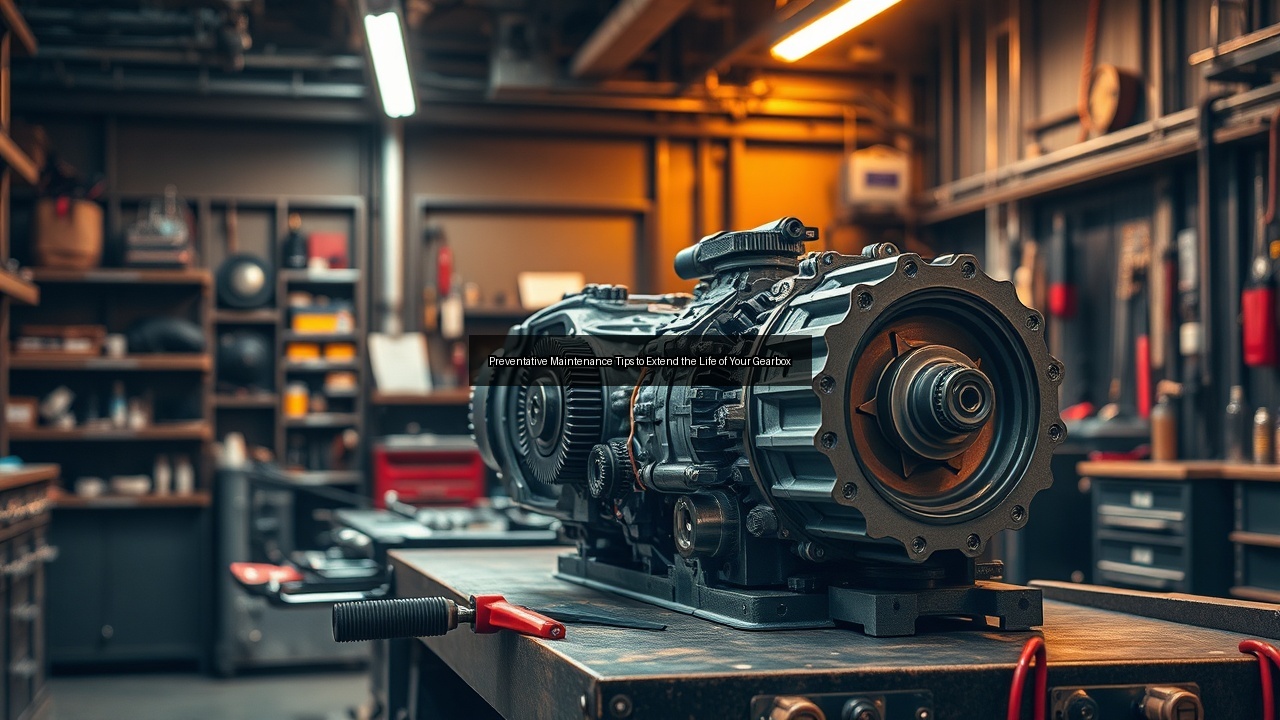
Understanding Gearbox Functionality and Importance
The Role of Gearboxes in Transmission Systems
Gearboxes transfer power from engines to wheels or machinery by adjusting speed and torque through meshed gears. In any transmission, the gearbox multiplies engine output to match load demands, preventing overload while maintaining steady rotation. Operators rely on this component to optimize performance across vehicles and industrial equipment. Without proper gearing, power delivery becomes inefficient and components wear rapidly. Regular attention to the gearbox ensures the entire transmission operates smoothly and delivers consistent results under varying conditions.
At its core, a gearbox achieves torque multiplication through carefully calculated gear ratios, such as a 4:1 reduction that quadruples output force while reducing speed proportionally. This principle follows the fundamental laws of mechanics where input power remains constant minus frictional losses, allowing engines to operate within their optimal RPM ranges. In automotive applications, for instance, lower gears provide high torque for acceleration from standstill, while higher gears enable efficient cruising at highway speeds. Industrial gearboxes similarly protect prime movers from sudden load spikes by absorbing and redistributing forces across multiple gear stages, thereby extending the lifespan of connected components like driveshafts and couplings.
Types of Gearboxes: An Overview
Manual, automatic, planetary, and reduction gearboxes each serve distinct purposes. Manual units give drivers direct control over gear selection, while automatic versions shift based on speed and load sensors. Planetary designs pack high torque into compact spaces, and reduction gearboxes lower output speed to increase force. Industrial applications often favor worm or helical types for quiet operation and high load capacity. Selecting the right type matches the demands of the transmission system and extends overall service life.
Manual gearboxes feature sliding or synchronizer mechanisms that allow precise ratio changes, commonly found in performance vehicles where driver input optimizes engine braking and power delivery. Automatic transmissions incorporate torque converters and planetary gearsets controlled by hydraulic valves or electronic modules, adapting seamlessly to varying conditions without driver intervention. Planetary configurations, with their sun, planet, and ring gear arrangement, deliver multiple ratios in a single compact housing, making them ideal for electric vehicle drivetrains and aerospace actuators. Worm gearboxes, utilizing a screw-like worm meshing with a wheel, provide self-locking capabilities and high reduction ratios suited for elevators and conveyor drives, while helical gears offer smoother engagement and greater efficiency under continuous loads.
Common Applications of Gearboxes
Manufacturers install gearboxes in automobiles, wind turbines, conveyor systems, and marine propulsion. In heavy equipment, reduction gearboxes handle extreme forces during excavation or lifting. Automotive transmissions use multiple gear ratios for acceleration and highway cruising. Processing plants depend on gearboxes to drive mixers and pumps without interruption. Each application stresses different aspects of gearing, so tailored preventative maintenance prevents unexpected failures and keeps operations running efficiently.
In renewable energy, wind turbine gearboxes step up low rotor speeds of 15-20 RPM to generator speeds exceeding 1500 RPM, enduring fluctuating wind loads and harsh environmental exposure. Marine propulsion systems employ large reduction gearboxes to convert high-speed engine output into efficient propeller rotation, often incorporating thrust bearings to manage axial forces from water resistance. Mining and construction equipment relies on heavy-duty planetary reductions capable of withstanding shock loads exceeding 100,000 Nm during digging cycles. Food processing and chemical plants utilize stainless-steel or coated gearboxes in mixers and agitators to maintain hygienic standards while delivering consistent torque for viscous materials, highlighting the need for application-specific sealing and material selections.
Key Components of Gearbox Maintenance
Essential Gearing Parts and Their Functions
Shafts, bearings, seals, and gear teeth form the core of every gearbox. Shafts transmit rotation between gears, bearings support loads and reduce friction, while seals retain lubricant and block contaminants. Gear teeth must mesh precisely to avoid pitting or scoring. When any part degrades, the entire assembly loses efficiency and risks total failure. Understanding these roles helps technicians prioritize inspection points during routine checks and plan targeted repairs before problems escalate.
Input and output shafts are typically manufactured from alloy steels such as 4140 or 8620, heat-treated to achieve surface hardness above 58 HRC while maintaining core toughness. Rolling-element bearings, including deep-groove ball and tapered roller varieties, accommodate both radial and axial loads; their preload and clearance must be maintained within microns to prevent brinelling. Dynamic seals, often lip-type with garter springs or labyrinth designs, operate at peripheral speeds up to 20 m/s, requiring careful material selection such as Viton or PTFE for high-temperature environments. Gear tooth geometry, governed by involute profiles and pressure angles of 20° or 25°, demands micron-level accuracy during manufacturing to distribute Hertzian contact stresses evenly and minimize noise and vibration.
The Importance of Lubrication in Gearbox Longevity
Lubrication reduces metal-to-metal contact, dissipates heat, and flushes away wear particles. Oil viscosity must match operating temperatures and speeds, or gears suffer scoring and accelerated fatigue. Scheduled oil analysis reveals contamination levels and chemical breakdown, guiding timely fluid changes. Proper lubrication practices directly extend gearbox service intervals and lower the frequency of major overhauls. Neglecting this step invites premature wear that eventually demands full gearbox rebuild services.
Modern synthetic lubricants, such as polyalphaolefin (PAO) or polyglycol formulations, provide superior film strength and thermal stability compared to mineral oils, extending drain intervals from 2,000 to over 10,000 operating hours in demanding applications. Additives including extreme-pressure (EP) compounds like sulfur-phosphorus packages form sacrificial layers under boundary lubrication conditions, while anti-foam agents and oxidation inhibitors maintain fluid integrity. Viscosity grading per ISO 220 or AGMA standards ensures adequate film thickness at operating temperatures; for example, ISO 320 oils suit high-load, low-speed reducers. Routine laboratory testing monitors acid number, water content below 200 ppm, and particle counts per ISO 4406 cleanliness codes, enabling condition-based fluid management that prevents micropitting and extends bearing life by factors of two to three.
Inspection Techniques for Early Failure Detection
Vibration monitoring, thermal imaging, and endoscopic checks detect developing issues inside operating gearboxes. Technicians measure gear mesh frequencies to spot misalignment or imbalance before audible noise appears. Oil sampling identifies metal particles that signal bearing or tooth damage. These non-invasive methods allow repairs during planned shutdowns rather than emergency stops. Early detection through systematic inspection preserves efficiency and avoids costly secondary damage to connected transmission components.
Accelerometers mounted on housing surfaces capture vibration spectra, where gear mesh frequency (GMF) harmonics and sidebands indicate tooth wear or eccentricity. Infrared thermography reveals hot spots exceeding 10°C above baseline, often correlating with bearing distress or inadequate lubrication flow. Borescopic inspections through dedicated ports allow visual assessment of tooth contact patterns and surface distress without full disassembly. Integrating these techniques into a predictive maintenance program, supported by trending software, can reduce unplanned outages by up to 70% while providing quantitative data for remaining useful life estimations.
Preventative Maintenance Strategies for Gearboxes
Regular Inspection and Monitoring Practices
Establish fixed intervals for visual checks, torque verification on mounting bolts, and alignment measurements. Document baseline vibration signatures so deviations become obvious quickly. Include seal condition reviews and breather filter replacements to maintain internal cleanliness. Consistent monitoring catches alignment drift or lubrication loss early, preventing cascading failures. Companies that log these activities reduce unplanned downtime and extend intervals between major gearbox repair events.
Alignment verification using laser systems maintains coupling angular and parallel offsets below 0.05 mm, preventing uneven load distribution across gear teeth. Breather filters with desiccant elements control moisture ingress in humid environments, while magnetic drain plugs capture ferrous debris for quick visual assessment. Comprehensive checklists performed monthly or quarterly, combined with digital logging of torque values and temperature trends, create a historical database that supports reliability-centered maintenance decisions and justifies capital investments in upgraded components.
Scheduled Lubrication: Best Practices
Follow manufacturer viscosity charts and change intervals based on duty cycle rather than calendar time alone. Use filtered fill equipment to avoid introducing particles during top-ups. Rotate oil reservoirs on standby units to prevent settling and oxidation. Combine these steps with quarterly sampling to confirm lubricant health. Adhering to disciplined lubrication schedules keeps gears protected, maintains transmission efficiency, and delays the need for gearbox rebuilds or full overhauls.
Online filtration systems circulating oil through 3-micron filters during operation dramatically lower contamination levels, while kidney-loop filtration on standby equipment prevents varnish formation. Temperature-controlled storage and periodic agitation of reserve oil tanks maintain additive suspension. Documented procedures specifying exact oil grades, quantities, and sampling ports ensure consistency across shifts, directly correlating with extended mean time between failures in critical production assets.
Identifying and Analyzing Forces Affecting Gearboxes
Track torque spikes, shock loads, and thermal expansion that stress gear teeth and bearings. Overload sensors and strain gauges provide real-time data on forces transmitted through the gearbox. Analyze trends to adjust operating parameters or reinforce mounting before fatigue cracks form. Understanding these dynamics allows engineers to specify stronger materials or modify gear ratios. Proactive force management cuts failure rates and supports longer service life across reduction gearboxes in demanding environments.
Finite element analysis during design phases models contact stresses and deflection under peak loads, guiding selection of case-carburized gears with optimized root fillet radii. Real-time torque monitoring via telemetry systems alerts operators to overload conditions exceeding 150% of rated capacity, enabling immediate load shedding. Thermal expansion compensation through flexible couplings and housing designs prevents binding during temperature swings of 80°C or more, preserving alignment integrity throughout the operating envelope.
Cost-Effective Approaches to Gearbox Overhaul and Repair
Understanding the Costs of Gearbox Rebuilds
Gearbox rebuild costs depend on size, complexity, and parts availability. Labor for disassembly, inspection, and reassembly often exceeds material expenses. Machining worn shafts or replacing bearings adds to the total, yet remains far less than purchasing new equipment. Transparent quotes from reputable shops break down each line item so operators can compare options. Budgeting for periodic rebuilds prevents larger capital outlays when gearboxes reach end-of-life stages.
A typical 50 kW helical gearbox rebuild may range from $4,000 to $12,000, with bearings and seals comprising 25-35% of material costs and skilled labor accounting for the balance. Larger units exceeding 500 kW can surpass $50,000, driven by custom gear cutting and extended downtime. Detailed cost breakdowns listing each component and process enable informed decisions, often revealing that proactive rebuilds at 60-70% of expected life yield the lowest lifecycle expenditure compared with reactive emergency repairs.
Comparing Repair vs. Replacement Costs
Repair restores original performance at a fraction of new-unit pricing when damage remains localized. Replacement becomes necessary only after extensive housing cracks or obsolete gearing. Calculate total ownership costs including downtime and warranty coverage before deciding. Many facilities choose targeted repair and maintenance because it returns gearboxes to service faster while preserving existing mounting configurations and connected transmission elements.
New gearbox procurement often incurs lead times of 12-26 weeks and costs 3-5 times that of a quality rebuild, plus expenses for adapter plates and realignment. Repair timelines of 2-6 weeks, supported by performance warranties of 12-24 months, frequently deliver superior value when failure modes are addressed through root-cause corrections rather than wholesale replacement.
The Benefits of Reverse Engineering in Gearbox Repair
Reverse engineering recreates obsolete gears or housings when original drawings no longer exist. Precision scanning and CNC machining produce replacement parts that match or exceed factory tolerances. This approach avoids long lead times for discontinued components and supports rapid gearbox rebuild projects. Facilities gain access to upgraded materials that improve wear resistance without changing overall design, lowering future repair frequency and associated costs.
3D laser scanning captures worn geometry with 0.02 mm accuracy, enabling generation of parametric CAD models for subsequent CNC milling or additive manufacturing of prototypes. Modern alloys with enhanced carbide content or nitrided surfaces can be substituted, increasing surface hardness and fatigue resistance. This capability proves invaluable for legacy equipment in continuous-process industries where production interruptions cost thousands of dollars per hour.
Maximizing Efficiency and Reducing Downtime
Strategies to Minimize Downtime During Repairs
Pre-stage replacement parts and schedule gearbox repair during low-production windows. Modular designs allow quick swap of sub-assemblies rather than full disassembly on site. Maintain relationships with gearbox repair services that offer field machining capabilities for minor corrections. These tactics compress turnaround times and protect overall plant efficiency by limiting the duration of any single maintenance event.
Strategic spare-unit programs and consignment inventory arrangements ensure critical components arrive within 48 hours. Field service teams equipped with portable boring and welding equipment can perform in-situ corrections, eliminating transport delays. Modular cartridge-style bearing housings further accelerate changeouts, reducing mean time to repair from days to hours in well-prepared facilities.
Importance of Failure Analysis and Root Cause Identification
Thorough failure analysis examines broken teeth, spalled bearings, and lubricant residues to pinpoint why damage occurred. Root cause identification distinguishes between lubrication failure, misalignment, or overload so corrective actions address the source rather than symptoms. Documented findings feed into updated maintenance procedures that prevent recurrence. Companies that invest in this step reduce repeat gearbox failures and extend mean time between overhauls across their equipment fleet.
Fractographic examination under scanning electron microscopy reveals whether cracks initiated from surface pitting or subsurface inclusions, while energy-dispersive X-ray spectroscopy identifies contaminant chemistry. Pareto analysis of historical failures across a fleet often highlights systemic issues such as inadequate foundation stiffness or seasonal temperature effects, prompting targeted design or procedural improvements that deliver measurable reliability gains.
Choosing the Right Gearbox Repair Services
Evaluate shops on experience with specific gearbox brands, in-house machining capacity, and warranty terms. Request case studies demonstrating successful gearbox rebuilds on similar units. Confirm they perform full failure analysis before quoting repairs. Selecting a capable partner ensures quality workmanship, reliable parts, and clear communication throughout the process, ultimately protecting transmission uptime and operational efficiency.
ISO 9001-certified repair facilities with documented traceability for all replacement parts provide higher confidence in long-term performance. On-site audits verifying CMM capabilities, balancing equipment, and cleanroom assembly areas further differentiate competent providers. Long-term service agreements incorporating scheduled inspections and priority response times create partnerships that consistently minimize total cost of ownership while safeguarding production continuity.
See Also
- The Importance of Lubrication in Gearbox Rebuilding for Longevity
- Understanding the Costs of Gearbox Rebuild Services and What to Expect
- Machining Techniques in Gearbox Overhaul and Their Impact on Reliability
- Choosing the Right Gearbox Repair Company for Your Needs
- Inside the Gearbox Repair Shop What Happens During a Rebuild